.png?width=50&height=50&name=10.CS-Redondo%20(1).png "Casa Sauza since 1873")
What to Do in Tequila, Jalisco?
Tequila, Jalisco, is a Pueblo Mágico 65 kilometers from Guadalajara, where the agave landscape is a UNESCO World Cultural Heritage Site. In just one day, you can visit a historic distillery, explore the downtown, dine at "La Cueva de Don Cenobio" restaurant inside the historic Quinta Sauza estate, and experience the agave landscape where Mexico's most iconic spirit was born.
Why Tequila, Jalisco Is Worth the Trip
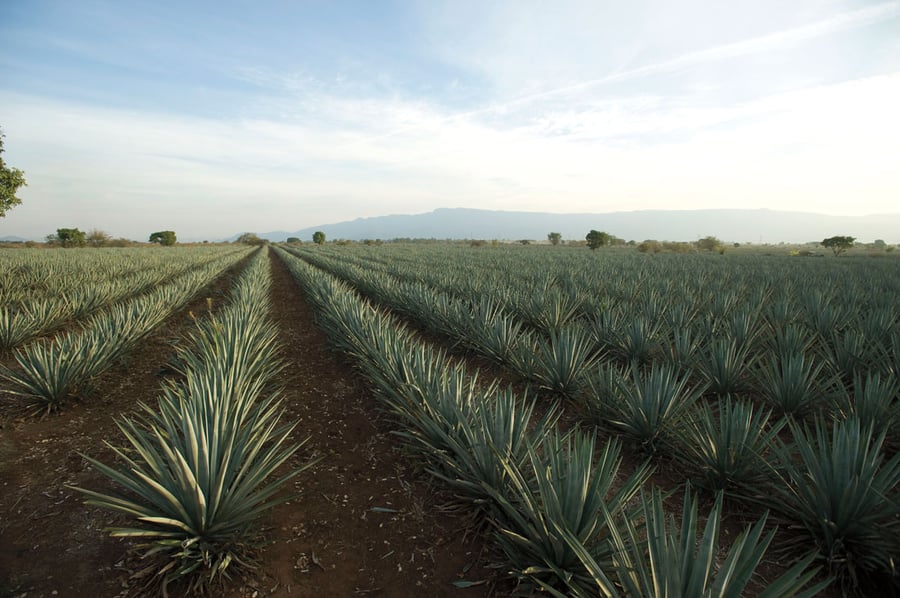
The municipality of Tequila belongs to the Valles Region of Jalisco state. It was declared a Pueblo Mágico in 2003 by Mexico's Tourism Secretariat in recognition of its preserved historic, architectural, and cultural heritage. In 2006, UNESCO designated the Agave Landscape and the Ancient Industrial Facilities of Tequila as a World Heritage Site, acknowledging the outstanding universal value of the blue agave fields and the historic distilleries that surround them.
This means that when you visit Tequila, you are not simply watching how a beverage is made — you are stepping into one of the most culturally significant sites on the continent. The landscape stretching from the Tequila volcano to the agave valley surrounding the town holds an international protection that very few Mexican destinations can claim.
How to Get to Tequila, Jalisco
From Guadalajara
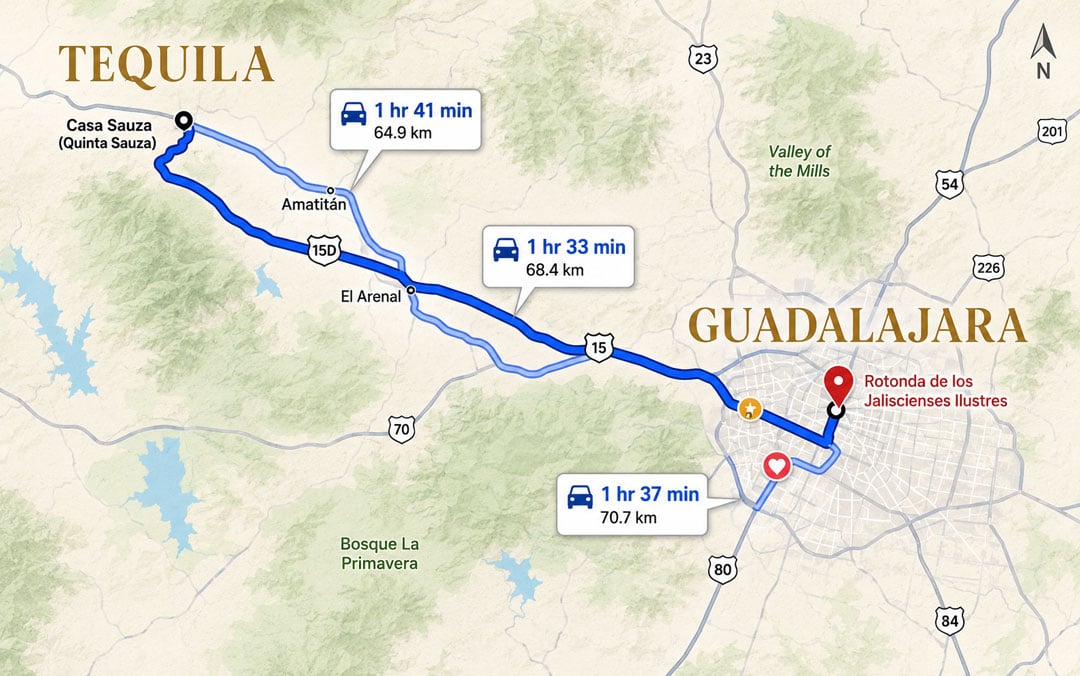
Tequila is located 65 kilometers from Guadalajara via Highway MEX-15 (the Puerto Vallarta exit). The drive takes between 45 minutes and 1 hour under normal conditions. During peak season, weekends, and long holiday weekends, travel time can extend to 90 minutes along the stretch of road near Guadalajara. It is recommended to depart before 9:00 am to avoid congestion on the Vallarta highway.
There is also a bus service from the Guadalajara Central Bus Terminal (Central Nueva), operated by Autotransportes Guadalajara Tequila. The trip takes approximately 1 hour and 15 minutes. If you plan to enjoy a full visit with tequila tastings, the bus is the most practical option for the return journey.
From Puerto Vallarta
For those visiting Jalisco from Puerto Vallarta, a day trip to Tequila is entirely feasible. The distance is approximately 230 kilometers via Highway MEX-15, with a drive of 2.5 to 3 hours. The route between Vallarta and Guadalajara passes directly through the municipality of Tequila, making this a natural stop on any overland journey between the two cities. Several tour operators in Puerto Vallarta offer day excursions to the Pueblo Mágico of Tequila with transportation included.
From Guadalajara International Airport (Miguel Hidalgo)
Guadalajara International Airport is approximately 55 kilometers from Tequila via the same MEX-15 highway. The drive takes between 40 and 50 minutes. It is possible to travel directly from the airport to the municipality without passing through Guadalajara, making Tequila a natural first or last stop on a Jalisco itinerary.
What to Visit in Tequila, Jalisco

Casa Sauza — A Historic Distillery Since 1873
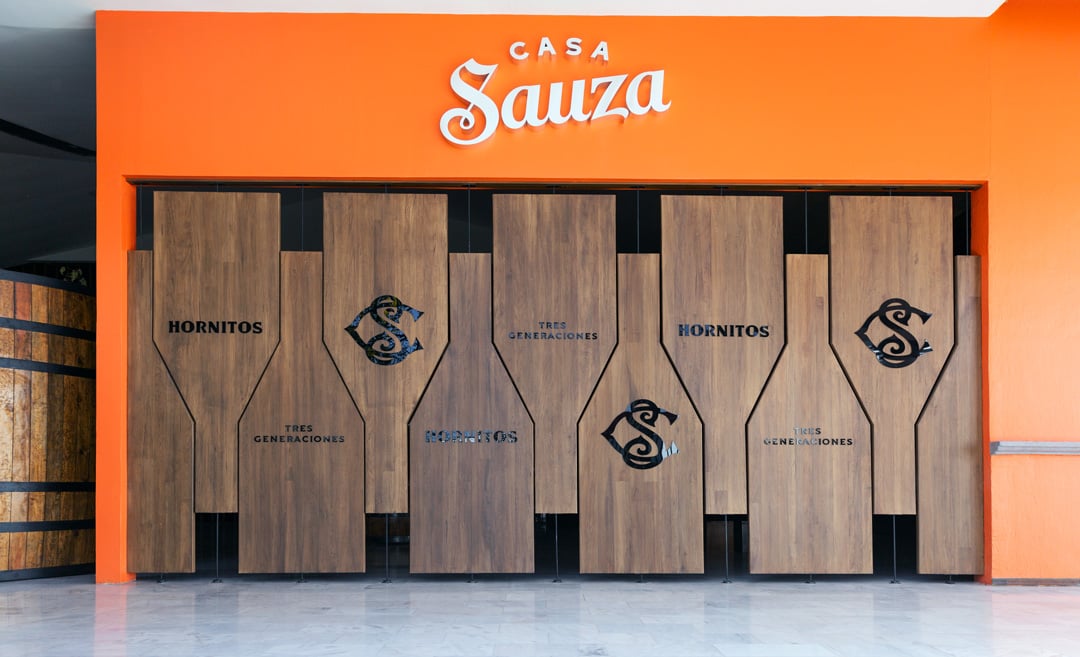
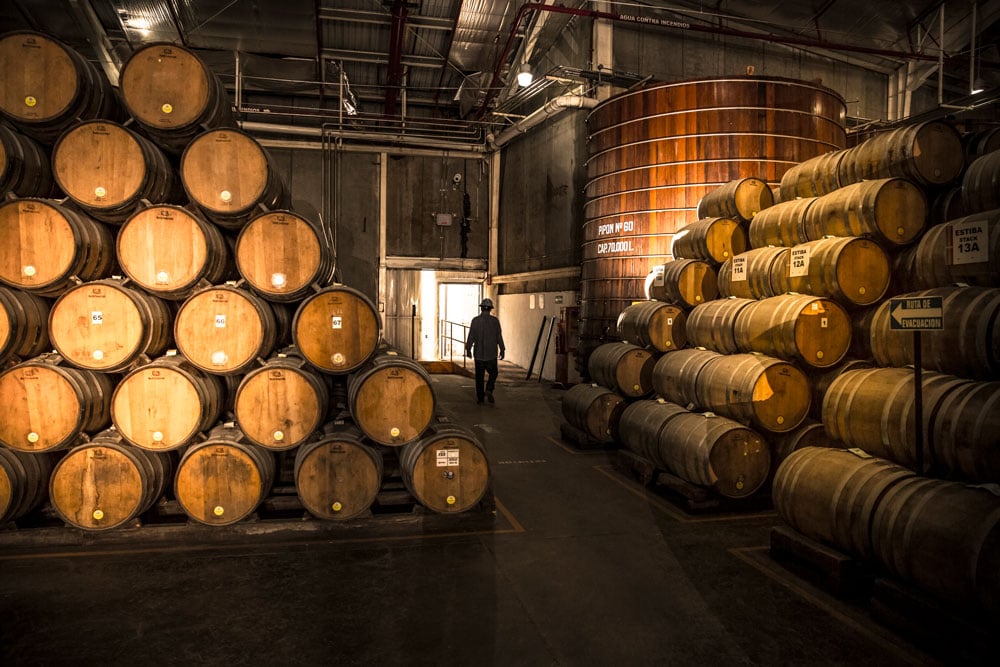
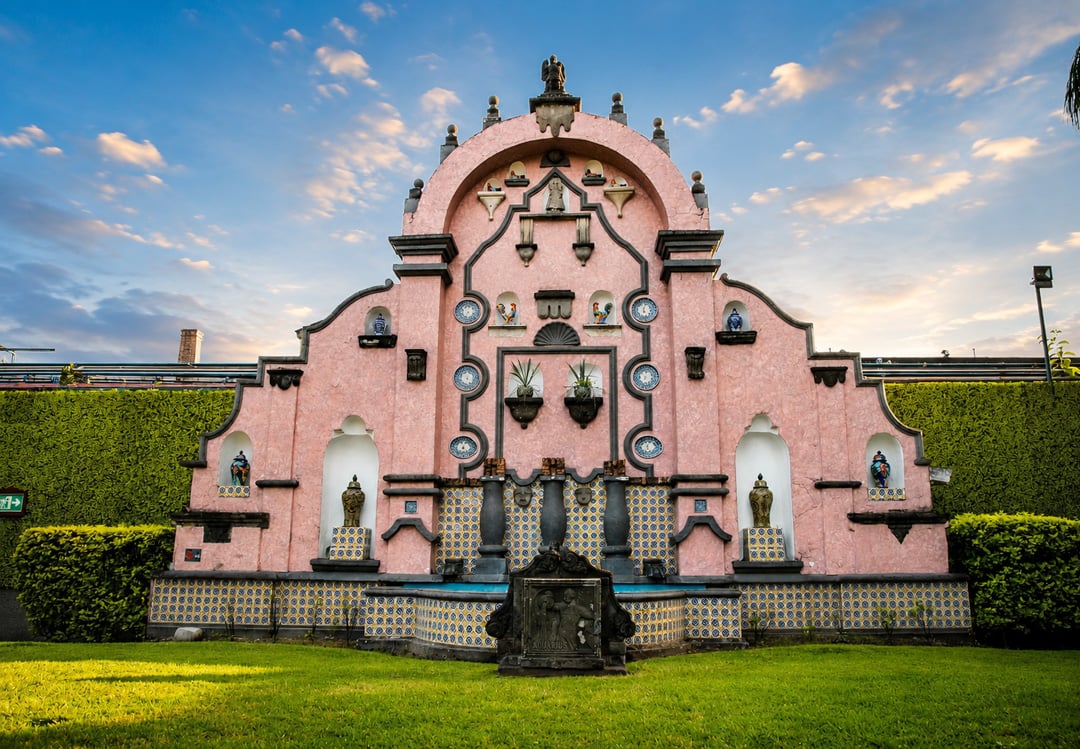
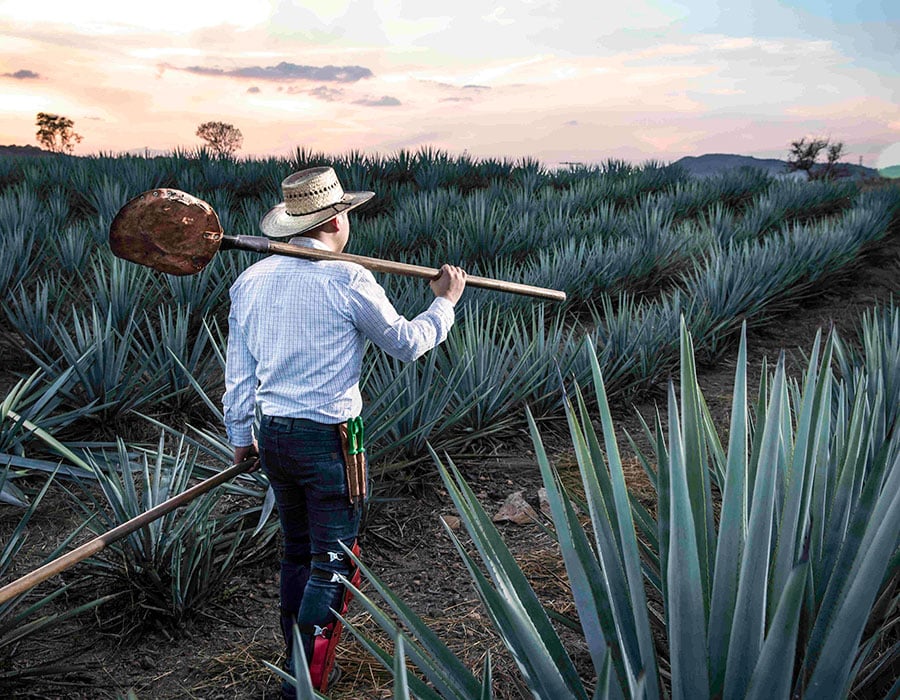
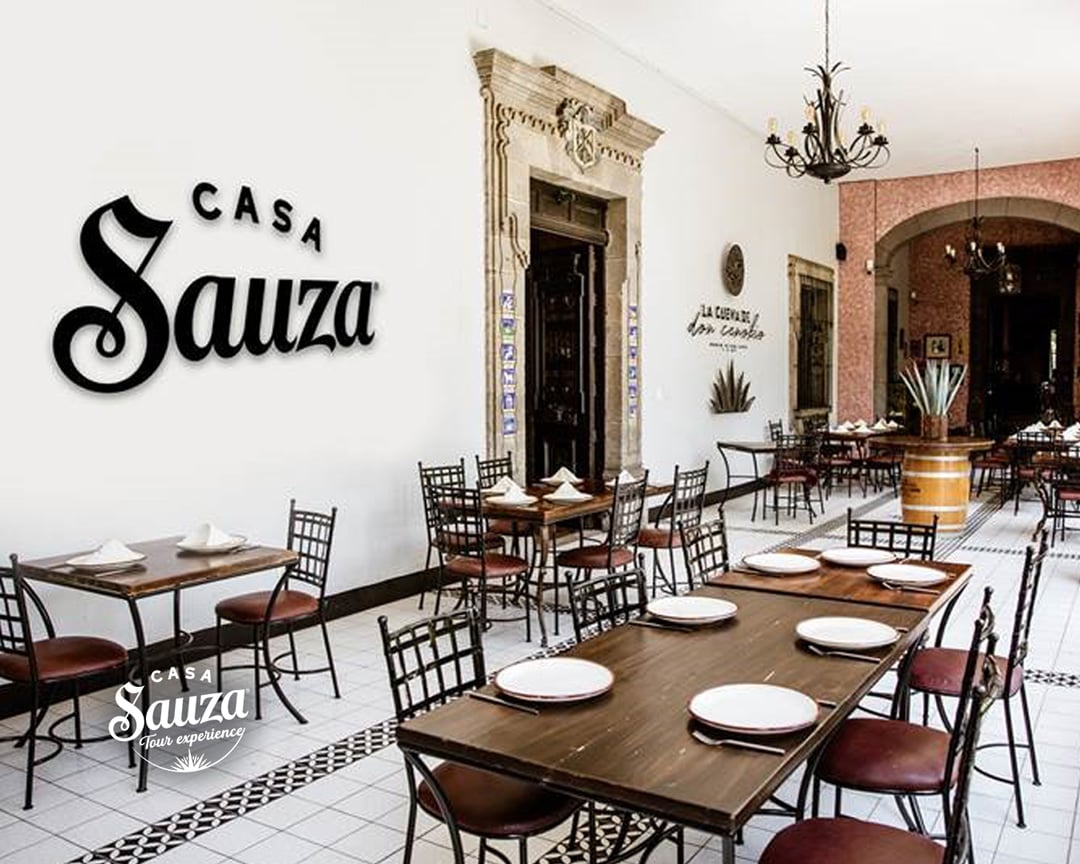
Founded in 1873, Casa Sauza is one of the most important historic distilleries in Jalisco and the first to export tequila to the United States. Within its grounds, in the heart of the town, you will find the active factory, the botanical garden featuring Weber Blue Agave — the same variety used to produce tequila — as well as other agave and cactus species, the La Constancia aging cellar, and the historic La Quinta Sauza hacienda, a manor house dating from 1836 that the Sauza family acquired in 1973 and which today serves as the heart of the visitor experience.
Casa Sauza offers five different tour experiences at varying durations and price points, ranging from the 1-hour Perseverancia Tour ($340 MXN) to the 4-hour Tres Generaciones® Tour ($1,600 MXN), which includes a professional tasting and a three-course meal at La Cueva de Don Cenobio restaurant. All tours include a guided walk through the factory and a direct tasting from the barrel. Prior reservation is required.
→ Check available experiences, schedules, and prices on the Casa Sauza guided tours page.

Tequila's Historic Downtown
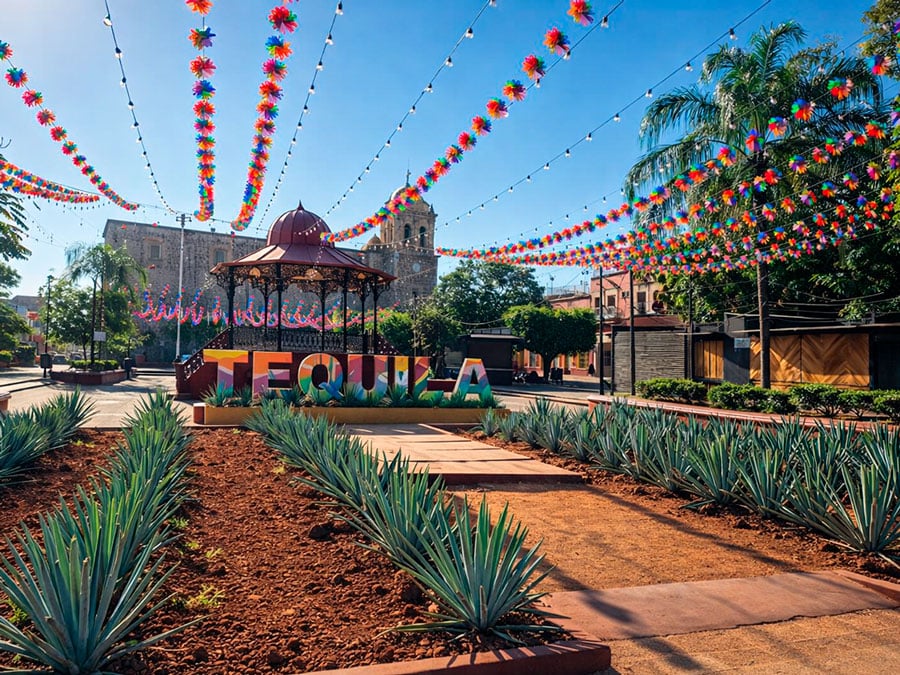
Tequila's main square preserves the colonial architecture that earned it the Pueblo Mágico designation. The La Purísima parish church, built in the 17th century and remodeled in 1940, defines the skyline of the town center. Around the main plaza, you will find artisanal tequila shops, restaurants, bars, and agave fiber craft stalls. It is the ideal place to walk before or after visiting a distillery.
The National Tequila Museum (MUNAT)
The MUNAT, located on the main plaza, is a journey through the history of tequila from its pre-Hispanic origins to the modern industry. Six rooms trace the evolution of the production process, the agave culture, and Jalisco's role in Mexican national identity. Admission is affordable, and the estimated visit time is 45 minutes to 1 hour.
The Tequila Route
The Tequila Route is the official tourist circuit that runs through the municipality's main distilleries and points of interest. It includes distilleries in the town and in the neighboring municipality of Amatitán, vineyards in Teuchitlán, and the Guachimontones archaeological site. Covering it over a long weekend provides the full context of the agave landscape, which was declared a UNESCO World Heritage Site.
When Is the Best Time to Visit Tequila, Jalisco
Tequila welcomes visitors throughout the year. The busiest months are December (for the National Tequila Fair, held in late November and early December), Easter week, and the long weekends in May and September. Outside the peak season — from January to March and in October — the town sees fewer visitors, distillery schedules are more accessible, and reservations are easier to secure with shorter notice.
Tequila has a semi-warm climate, with an average annual temperature of 73.4°F (23.2 °C). Rainfall concentrates from June to October, with afternoon showers that rarely affect morning visits. There is no climatic season that makes a visit inadvisable.
September: Independence Month
Throughout September, Tequila is alive with national holiday celebrations. On the 15th and 16th of September, the historic center fills with music, tricolor lights, charreadas, parades, and the spirit of a Mexico celebrating from its deepest roots. Visiting this Pueblo Mágico on these dates is to witness Jaliscan identity in its most authentic expression: tequila, mariachi, and charrerÍa gathered in the same space where they were born. Casa Sauza operates normally during national holidays; prior reservation is recommended due to increased visitor volume throughout the region.
October and November: Day of the Dead in the heart of agave country
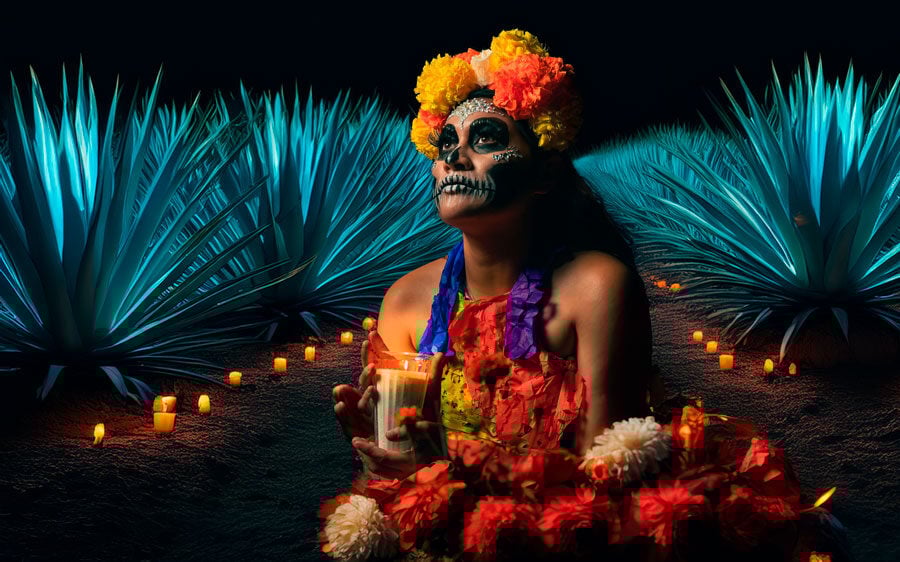
The Día de Muertos period, from October 31 to November 2, turns Tequila into one of Jalisco's most evocative settings for this celebration. The ofrendas in the historic center, the colorful calavera figurines in artisanal shops, and the atmosphere that blends pre-Hispanic tradition with the agave landscape create an experience difficult to replicate elsewhere. For international visitors in particular, this period offers a reading of the real Mexico that goes far beyond folklore. October is also the low season, meaning less crowding, better conditions for booking tours, and the opportunity to explore the town at a more relaxed pace.
Outside these highlighted dates, the period from January to March offers the lowest visitor volume and greatest availability at distilleries and restaurants. The May long weekends and Easter are the busiest periods after December.
Where to Eat in Tequila, Jalisco
La Cueva de Don Cenobio
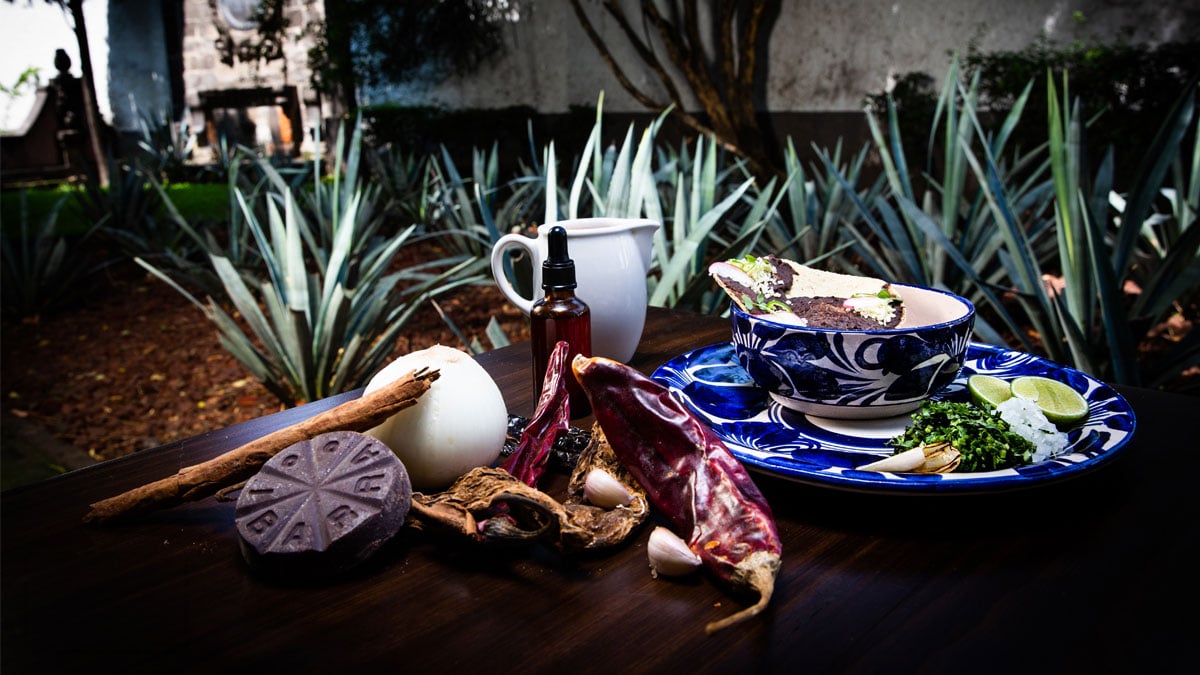
The restaurant inside the Casa Sauza estate is a collaboration between the D'Rey group and Casa Sauza. It offers contemporary Mexican cuisine with tequila pairings, in a setting that forms part of the historic La Quinta Sauza hacienda. Open Tuesday to Sunday from 11:30 am to 6:00 pm. The Hornitos® and Tres Generaciones® tours include a meal at the restaurant. Outside guests can make reservations directly with the restaurant.
Dining Options in the Town Center
Downtown Tequila offers a varied dining scene around the main plaza: restaurants serving Jaliscan cuisine, taquerías, fondas, and tequila cocktail bars. La Capilla, located on Hidalgo 34, is one of the most internationally recognized bars and the birthplace of the Batanga cocktail.
Tequila, Jalisco and Casa Sauza — A History of Over 150 Years
The history of Tequila and the history of Casa Sauza are practically inseparable. When Cenobio Sauza acquired La Perseverancia in 1873, the municipality was already the center of the mezcal wine industry that would eventually give rise to the "tequila" denomination of origin. Casa Sauza was the first distillery to export the spirit to the United States, to identify Weber Blue Agave (Agave tequilana Weber) as the variety that produced the finest tequila, and to establish production standards that, decades later, became industry norms.
Visiting Tequila today without stopping at Casa Sauza is like visiting Bordeaux without entering a single winery. The town and these facilities share a history that explains why the agave of this valley is protected by UNESCO and why the spirit produced here bears the name of the municipality. The tour experience is not a tourist add-on — it is the most direct way to understand why this town exists and what makes it unique in the world.
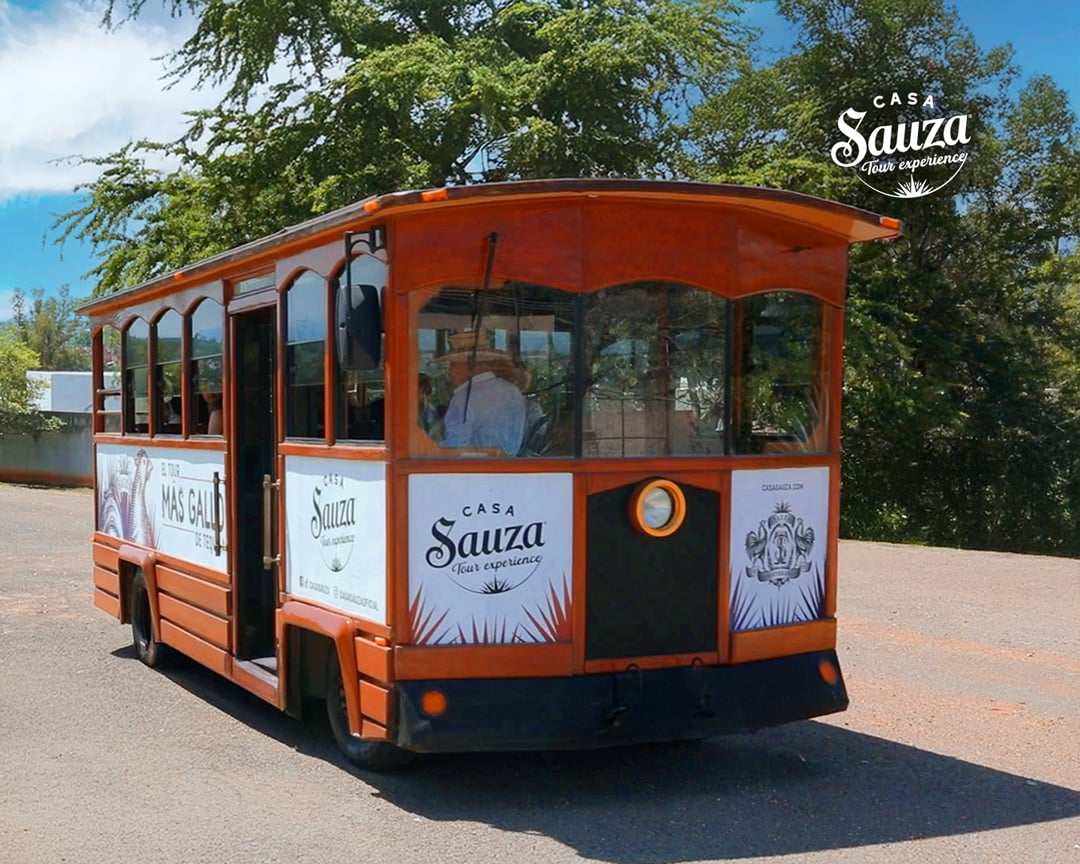
→ Book your Casa Sauza tour — five experiences available, Tuesday to Sunday.
Frequently Asked Questions about Visiting Tequila, Jalisco
How Much Time Do You Need to Visit Tequila, Jalisco?
Can You Visit Tequila, Jalisco in One Day from Guadalajara?
How Much Does It Cost to Visit Tequila, Jalisco?
Is Tequila, Jalisco Safe for Tourists?
Which Distillery Should You Visit in Tequila, Jalisco?
Casa Sauza, founded in 1873, is the first distillery to have exported tequila to the United States and the only one in town with access to La Quinta Sauza, a historic hacienda from 1836 in the heart of the Pueblo Mágico. Its lineup of five experiences, with different durations and prices, makes it suitable for both a quick 1-hour visit and a full day of immersion. The municipality has several distilleries open to the public; Casa Sauza stands out for combining an active factory, a botanical garden, a historic hacienda, and a restaurant in a single venue.